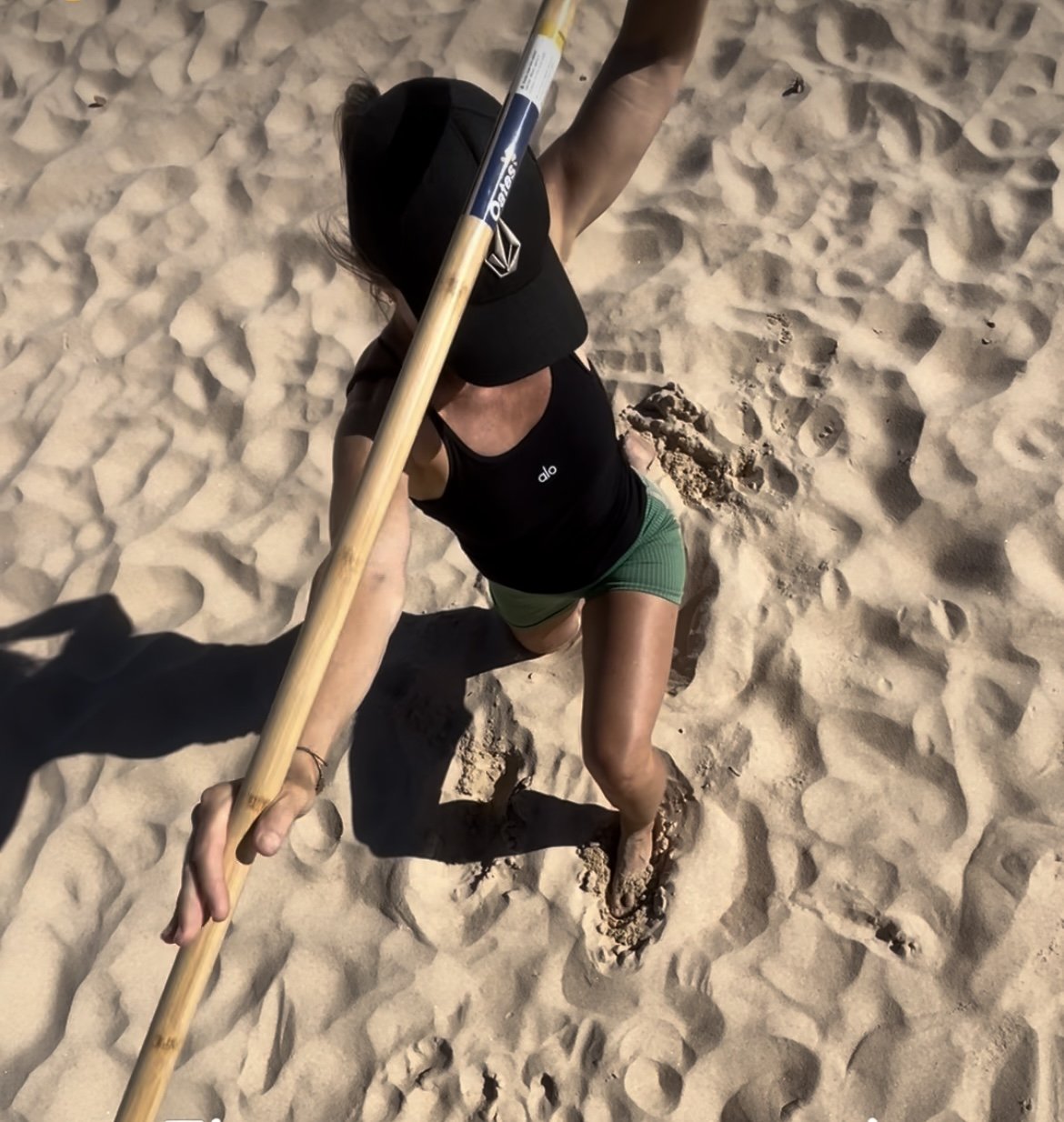
There are movements your body never truly forgets. Walking is one of those movements. And at its core, walking is simply a series of controlled lunges.
If your intention is to move in ways your body doesn’t forget, the lunge deserves a permanent place in your routine.
Walking Is a Repeated Lunge
Every step you take requires strength, balance, and coordination. One leg supports your entire body while the other swings forward. That single-leg control is exactly what a lunge trains. It reinforces the same movement pattern your body uses daily, keeping it strong and efficient.
Strength Where It Counts
Lunges build the muscles that power your walk:
Glutes to drive you forward
Quadriceps to straighten and stabilize the knee
Hamstrings to control movement
Calves to push off the ground
Hip stabilizers to keep you steady
When these muscles are strong, walking feels easier, smoother, and more confident.
Balance You Can Trust
Walking is controlled instability—you’re constantly shifting from one leg to the other. Lunges challenge your balance in a safe, intentional way. Over time, this improves stability and reduces the risk of falls or joint strain. Interesting, walk speed is walking speed is the biggest predictor of future independence.
Train for Life
We don’t just walk on flat, even ground. We climb stairs, walk uphill, carry groceries, and move through unpredictable environments. Lunges prepare your body for these real-life demands by building strength, mobility, and resilience.
If the goal is independent, strong everyday movement, focus on patterns your body uses most. Train the movements that matter.
Train the step. Train the lunge.
Move your body in ways it doesn’t forget.