Moves Your Body Doesn’t Forget: Sprint
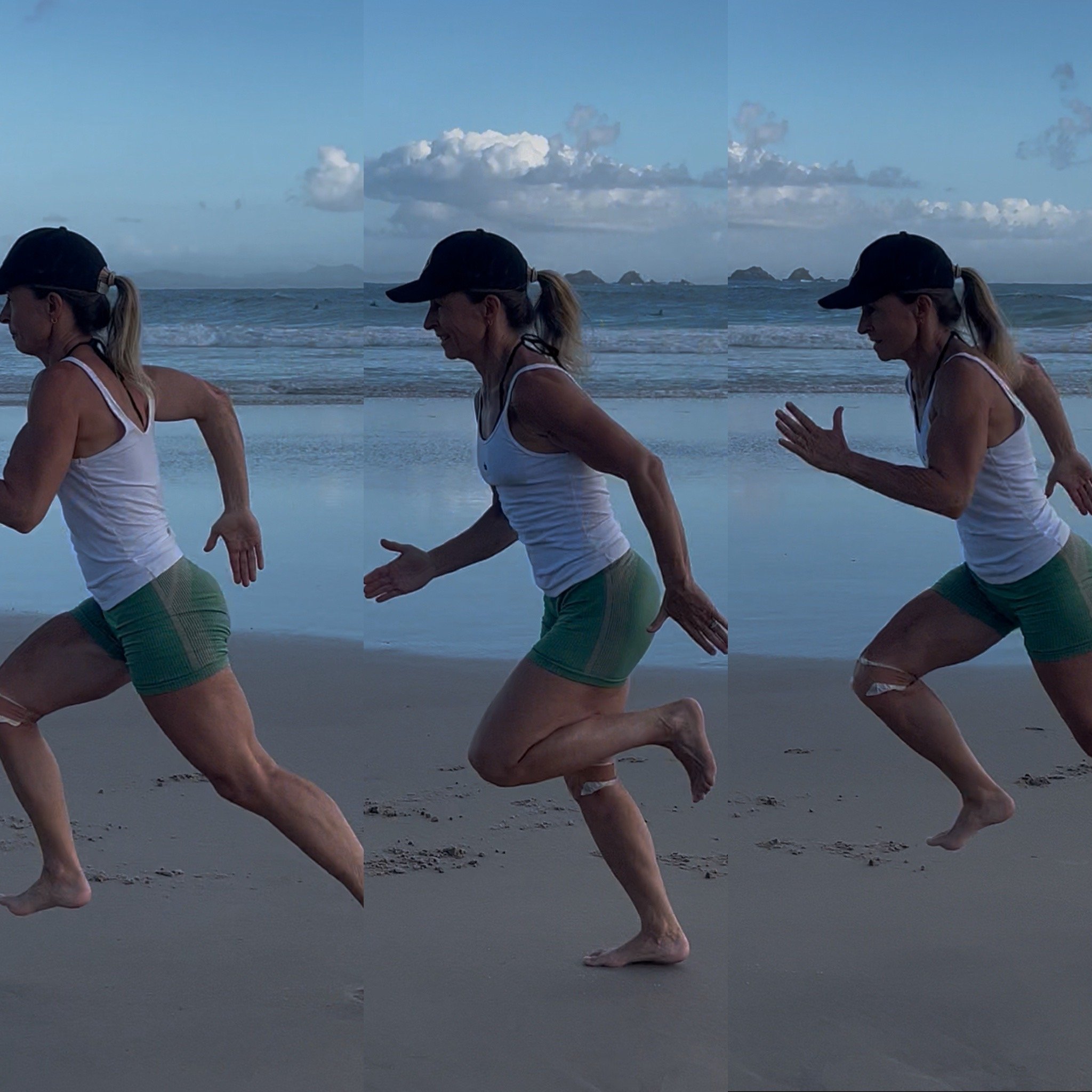
Some movements are so deeply human your body never truly forgets them — sprinting, climbing, crawling, jumping, throwing, hanging. These are primal motor patterns. Even after years away, your nervous system still recognises them.
Life rarely asks if you can lift something once. It asks if you can move quickly when you need to.
But here’s the nuance: your brain remembers how to sprint. Your tissues may not yet tolerate it.
After injury — especially ACL — what often lingers isn’t the pattern, it’s the capacity. Tendon stiffness and reactivity drop. Protective inhibition creeps in (that missing initial acceleration…). So sprinting doesn’t disappear — it gets muted.
That’s why when you reintroduce it gradually — A-skips, dribbles, pogo jumps, progressive strides — it comes back surprisingly fast. It feels familiar. Like flipping a switch. You don’t need to relearn sprinting. You need to reawaken it.
And you should. Because as we age, the first quality we lose isn’t strength — it’s power. The ability to produce force quickly. Power is what stops you tripping. It’s what lets you catch yourself. Most falls don’t happen because someone wasn’t strong enough. They happen because they couldn’t react fast enough.
Heavy lifting builds the engine — muscle, bone density, force production. It matters. But heavy strength without speed becomes slow strength. Life rarely asks if you can lift something once. It asks if you can move quickly when you need to.
If you can still sprint — even short hills, strides, sharp accelerations — it usually means you have strength, mobility, coordination and confidence underneath it.
Sprinting isn’t something we acquire.
It’s something we remember. And while lifting builds the engine, it’s sprinting that keeps the spark!